
Digital Motion X-Ray (DMX)
See what static imaging may miss.
Some injuries are easier to identify when the body is moving. Digital Motion X-Ray (DMX) allows RES providers to evaluate the spine in motion, providing objective information that can help identify ligament injuries, vertebral injuries, fractures and other accident-related findings.
For patients experiencing ongoing pain or other symptoms after an auto accident, this dynamic view can provide important information that may not appear on traditional static imaging.
How Digital Motion X-Ray works
RES uses a C-arm imaging system to capture six different views of the spine while the patient moves through specific positions. Unlike a traditional X-ray that captures a single moment in time, DMX allows providers to see how the spine and its supporting structures behave during movement.
Access to this type of motion imaging outside of hospital and operating room settings is uncommon. At RES, patients have access to this advanced diagnostic capability in a convenient outpatient setting. The imaging is then analyzed using specialized DMX technology to identify and measure areas of potential injury or instability.
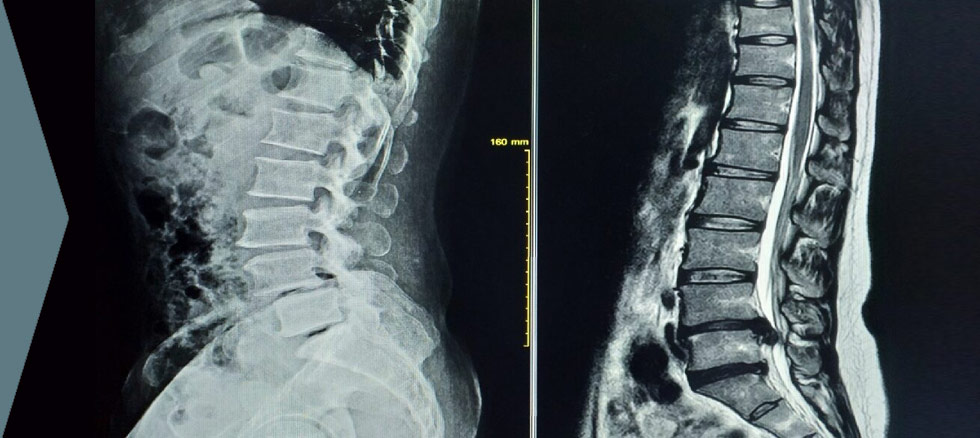
A more complete look at accident-related injuries
The forces of an auto accident can injure the ligaments and structures that help support and stabilize the spine. Because some of these injuries affect how the vertebrae move in relation to one another, they may be difficult to identify when the body is at rest.
By evaluating the spine in motion, DMX can help identify findings related to:
- Ligament injuries and instability
- Vertebral injuries
- Fractures
- Abnormal spinal movement
- Other accident-related injuries
These objective findings give RES providers additional information to support diagnosis and determine appropriate next steps in your care.
Detailed imaging. Objective reporting.
Following your DMX study, the imaging undergoes additional review and analysis, providing multiple levels of evaluation. RES receives a comprehensive 22-page report with objective, ratable measurements and visual findings, which your provider reviews with you at your next appointment.
These findings can help inform your treatment and provide valuable information to chiropractors, physical therapists, primary care providers and other healthcare professionals involved in your care. For patients involved in a no-fault or personal injury case, DMX reporting also incorporates AMA guidelines, providing objective medical documentation that may help attorneys better understand the nature and extent of an accident-related injury.
Get a clearer picture of your injury.
If pain or other symptoms continue after an auto accident, Digital Motion X-Ray may provide additional information to help identify the injury and guide your care.