Why Head Injuries Should Never Be Ignored
Traumatic brain injuries (TBIs) are a common but often overlooked result of motor vehicle accidents. Even if your head didn’t strike anything during the crash, the sudden forces created by a collision can still affect the brain.
At RES Physical Medicine & Rehabilitation, medical doctors frequently evaluate patients for possible brain injuries following auto accidents. Early diagnosis is important to prevent symptoms from worsening and to support a safe recovery.
How Brain Injuries Happen in Car Accidents
TBIs often occur when rapid acceleration and deceleration forces cause the brain to move within the skull. In some cases, the head may strike the steering wheel, window, or another part of the vehicle. However, a direct impact is not always necessary. The same motion that causes whiplash can also create rotational forces that disrupt normal brain function and damage nerve connections. Because of this, head and neck injuries frequently occur together after a crash.
Symptoms to Watch For
Symptoms of a traumatic brain injury may appear immediately or develop days later. Common symptoms include:
Neurological symptoms
- Headaches
- Dizziness or balance problems
- Nausea
- Blurred vision
- Sensitivity to light or noise
Cognitive symptoms
- Memory problems
- Difficulty concentrating
- Confusion or slowed thinking
Other symptoms
- Mood changes or irritability
- Fatigue or sleep disturbances
Anyone experiencing these symptoms after an accident should seek medical evaluation.
Red Flag Symptoms After a Car Accident
If you experience any of the following symptoms after a crash, seek medical attention immediately:
- Loss of consciousness
- Severe or worsening headache
- Repeated vomiting
- Confusion or disorientation
- Difficulty speaking
- Vision changes
- Weakness or numbness in the arms or legs
Even if symptoms seem mild at first, they may worsen over time. A medical evaluation can help determine whether a traumatic brain injury has occurred.
How Traumatic Brain Injuries Are Diagnosed
Diagnosing a TBI typically begins with a detailed clinical evaluation. At RES, this may include:
- A review of the accident and medical history
- Neurological examination
- Cognitive assessment
- Balance and coordination testing
- Evaluation of the cervical spine
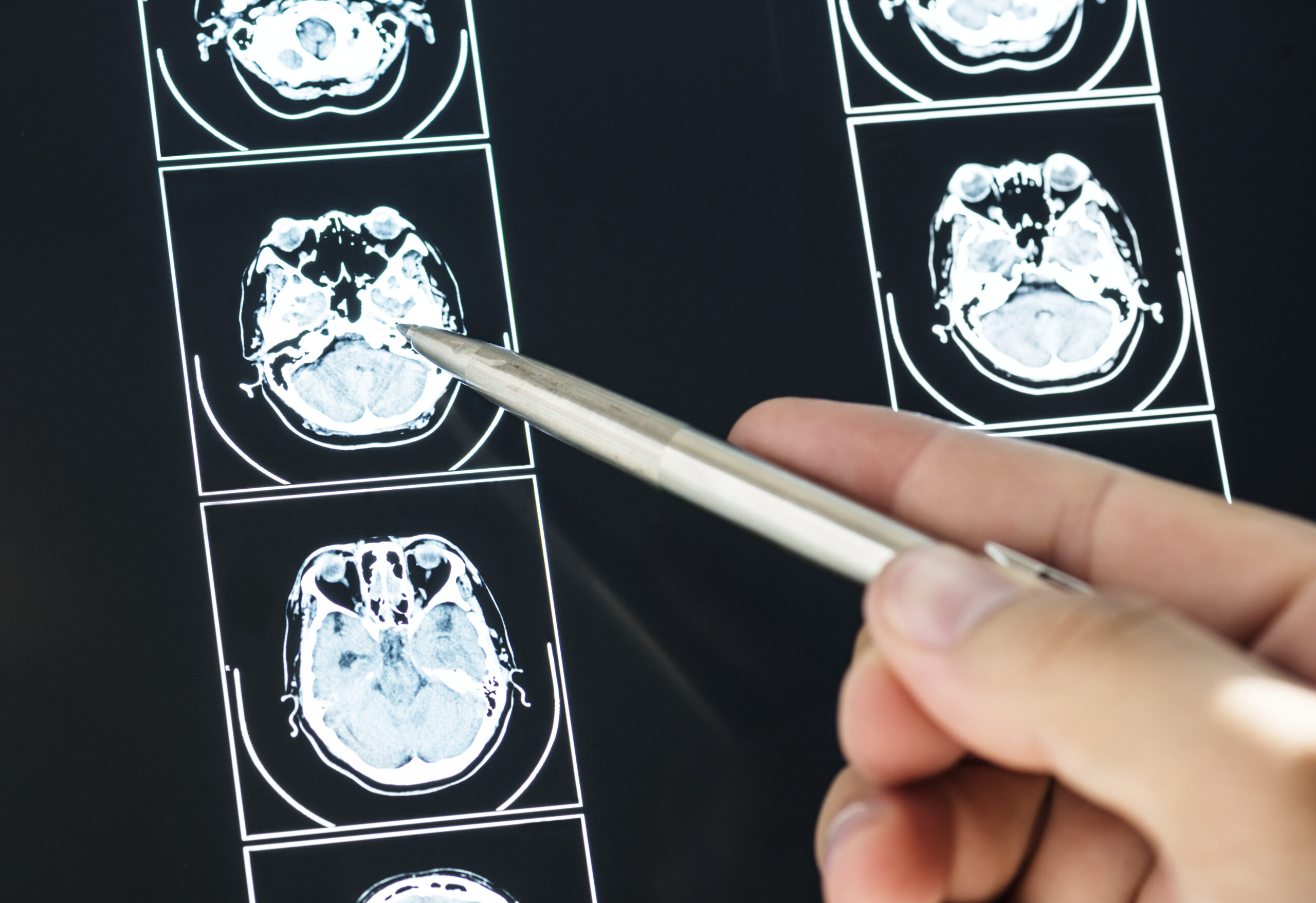
Depending on symptoms, additional testing such as CT scans, MRI imaging, or neurocognitive testing may be recommended.
Treatment Options
Treatment varies depending on the severity of the injury and the patient’s symptoms. For many mild TBIs or concussions, treatment may involve:
- Cognitive rest and gradual return to activity
- Headache management
- Vestibular therapy for dizziness or balance issues
- Physical therapy for associated neck injuries
- Medication for headaches, sleep problems, or mood symptoms
More severe brain injuries may require longer-term rehabilitation and coordinated care with specialists.
Why Early Evaluation Matters
Many brain injuries, especially concussions, do not appear on standard imaging and may not cause immediate symptoms. However, untreated injuries can lead to persistent problems such as chronic headaches, memory issues, and difficulty concentrating.
Early diagnosis allows physicians to monitor symptoms, begin treatment sooner, and guide a safe return to normal activities.
Comprehensive Care After an Auto Accident
At RES Physical Medicine & Rehabilitation, medical doctors evaluate both neurological and musculoskeletal injuries that commonly occur in car accidents. Care often includes coordination with neurologists, physical therapists, and other specialists to support a full recovery.
If you’ve been in an auto accident and are experiencing symptoms that may indicate a brain injury, medical evaluation is an important first step.
Call or text RES at 716.903.0067 today to schedule an evaluation.